Grief
Grief is a natural and complex response to the loss of someone or something deeply meaningful. While it is most commonly connected with the death of a loved one, grief can also arise after the end of a relationship, the loss of health or independence, a major move, unemployment, a miscarriage, a change in identity, or the disappearance of a hoped-for future. At its core, grief reflects the significance of what has been lost: the stronger the attachment, sense of security, or expectation connected to it, the more deeply the loss may be felt. Grief is therefore not one single feeling, but an entire process through which a person recognizes, reacts to, and gradually adapts to a changed reality.
Grief can affect nearly every part of a person’s life. Emotionally, it may involve sadness, anger, guilt, fear, relief, numbness, loneliness, yearning, or moments of peace, sometimes with several conflicting feelings occurring at once. Mentally, a grieving person may struggle with concentration, memory, decision-making, or disbelief. Grief may also appear physically through fatigue, changes in sleep or appetite, restlessness, tightness in the chest, or a general sense of heaviness. It can influence relationships, daily routines, spiritual beliefs, and one’s sense of identity, especially when the loss changes an important role or connection. Because these reactions vary widely, there is no single “correct” way to grieve.
Grief does not follow a fixed order, and it cannot be measured by a universal timetable. Its intensity may rise and fall, returning through anniversaries, familiar places, music, dreams, or ordinary moments that awaken memories. Over time, many people find that grief becomes less constant and more manageable, although the importance of the loss remains. Healing does not mean forgetting, ending the bond, or returning to exactly who one was before; it means learning to carry the loss while rebuilding a life around it. In this sense, grief is both an expression of love and meaning and a gradual adjustment to absence, allowing sorrow to exist alongside renewed connection, purpose, gratitude, and hope.
Trauma and PTSD
Trauma is the emotional and physical response to an experience that feels frightening, harmful, or overwhelming. It may result from a single event, such as an accident or natural disaster, or from repeated experiences, such as abuse, neglect, bullying, or living in an unsafe environment. People respond to difficult events differently, so an experience that is traumatic for one person may affect another person in a different way.
Post-traumatic stress disorder, or PTSD, is a mental health condition that can develop after a person experiences or witnesses trauma. A person with PTSD may have upsetting memories or nightmares, avoid reminders of the event, feel constantly alert or unsafe, or notice changes in mood and concentration. These symptoms continue over time and can interfere with school, work, relationships, sleep, or everyday activities.
Experiencing trauma does not automatically mean that a person will develop PTSD. Stress reactions such as fear, sadness, anger, difficulty sleeping, or feeling on edge can be normal soon after a distressing event and may lessen with time and support. When symptoms are severe, last for a long time, or disrupt daily life, support from a qualified mental health professional can help a person understand their reactions, learn coping skills, and recover.
Depression
Depression is a common but serious mental health condition that affects how a person feels, thinks, and manages daily life. It is more than a temporary period of sadness or disappointment; symptoms often persist for weeks or longer and may include a low or empty mood, loss of interest in activities, fatigue, difficulty concentrating, changes in sleep or appetite, and feelings of hopelessness or worthlessness. Depression can affect anyone, and it may result from a combination of biological, psychological, and social factors rather than from personal weakness.
Depression can interfere with relationships, school or work, physical health, and everyday responsibilities, but it is treatable. Support may include counseling or psychotherapy, medication prescribed by a qualified health professional, healthy routines, and help from trusted family members or friends. Because symptoms and needs differ from person to person, a professional evaluation can help determine the most appropriate care. Anyone experiencing thoughts of self-harm or suicide should seek immediate help from local emergency services or a crisis support service.
Anxiety
Anxiety is a natural response to stress, uncertainty, or a perceived threat. It can involve feelings of worry, nervousness, or uneasiness, and it often helps the body prepare to respond to a challenge. In short-term situations—such as before an exam, interview, or important decision—anxiety can increase alertness and motivate preparation.
Anxiety can affect thoughts, emotions, and the body. Common signs include repeated worrying, difficulty concentrating, restlessness, irritability, muscle tension, a racing heartbeat, sweating, or trouble sleeping. The experience varies from person to person, and it may be linked to a specific situation or appear even when there is no obvious danger.
Occasional anxiety is a normal part of life, but it may become a concern when it is intense, lasts for a long time, or interferes with school, work, relationships, or everyday activities. Healthy habits such as regular sleep, exercise, slow breathing, and talking with someone trusted may help manage mild anxiety. When symptoms feel overwhelming or persistent, a licensed mental health professional can provide an evaluation and discuss appropriate support or treatment.

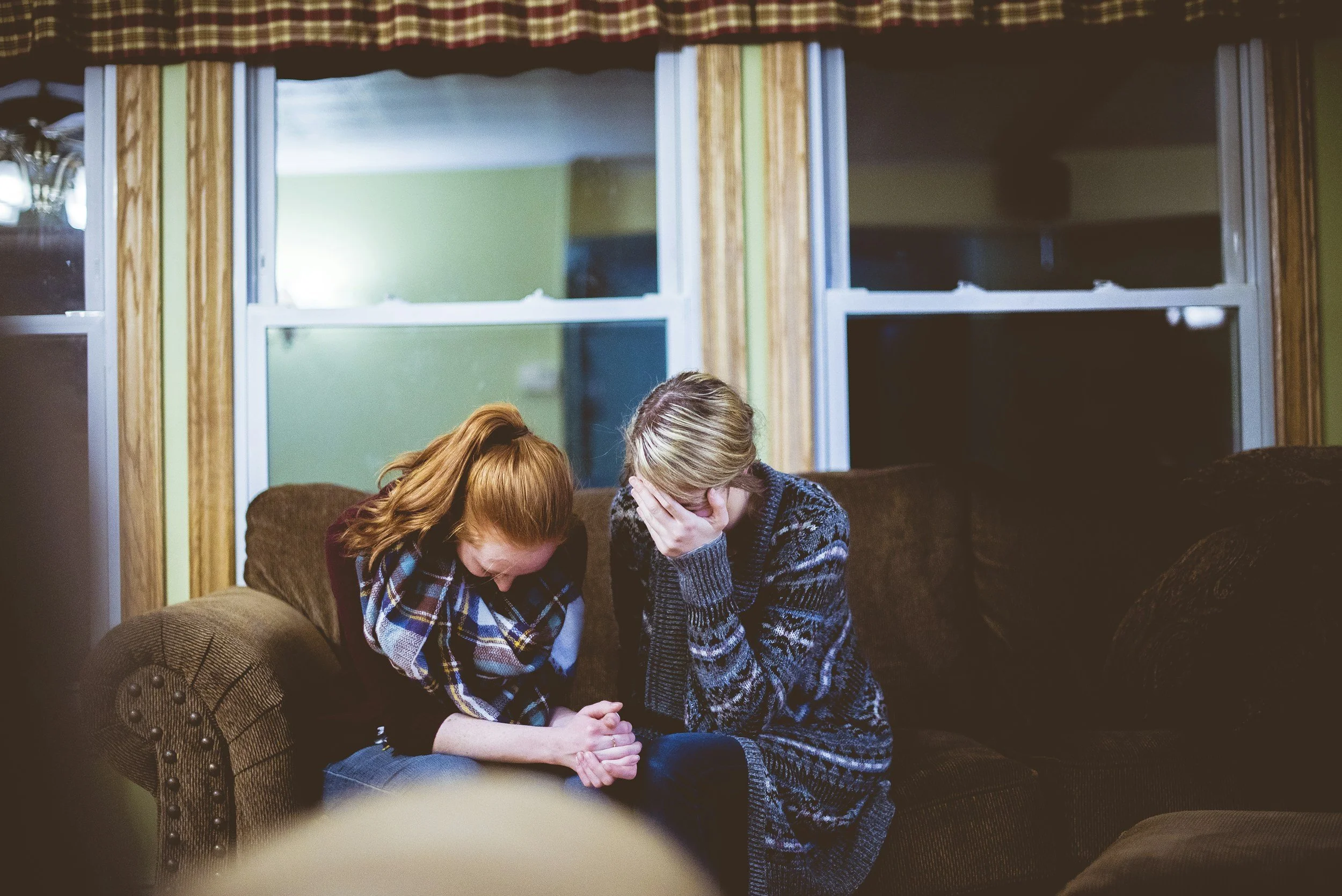
Abuse
Abuse is a repeated or serious behavior used to harm, frighten, control, neglect, or take advantage of another person. Different types include physical abuse, such as hitting, pushing, restraining, or causing injury; emotional or psychological abuse, such as humiliation, threats, intimidation, manipulation, or constant criticism; sexual abuse (or sex abuse) is any form of abusive sexual behavior by one person directed at another person without their valid consent, or directed at an individual who is legally incapable of giving consent and verbal abuse, which involves insults, shouting, cruel language, or repeated put-downs. Other forms include financial abuse, in which someone controls money, property, employment, or access to necessities; neglect, which is the failure to provide essential care, supervision, food, shelter, education, or medical attention; and digital abuse, such as monitoring devices, demanding passwords, sending threatening messages, or using technology to control or embarrass someone. Abuse may also involve stalking, isolation from friends and family, or violations of personal boundaries. It can occur in families, friendships, schools, workplaces, care settings, and online relationships, and it may be committed by someone the victim knows and trusts. No matter what form it takes, abuse is never the victim’s fault.
The effects of abuse can be immediate or long-lasting. A person may experience fear, confusion, low self-esteem, difficulty concentrating, changes in sleep or appetite, withdrawal from activities, unexplained injuries, or sudden changes in behavior and school or work performance.
Relationship Problems and Divorce
Relationship problems can develop when partners struggle to communicate, trust one another, or work through disagreements. Financial pressure, different goals, unmet expectations, and a lack of quality time can create tension and emotional distance. If these concerns are ignored, small disagreements may become repeated conflicts that weaken the relationship. These relationship problems can lead to divorce.
Divorce is the legal ending of a marriage, and it can be a difficult transition for everyone involved. Former partners may face grief, anger, uncertainty, or relief while also making decisions about housing, finances, property, and parenting responsibilities. Respectful communication, counseling, mediation, and support from trusted people can help reduce conflict and make the adjustment more manageable.
Divorce can affect children by changing their routines, living arrangements, and sense of stability. Some children may feel confused, worried, sad, or responsible for the separation, and they may have difficulty with school, sleep, friendships, or behavior while adjusting. Caregivers can support children by keeping them out of adult conflicts, maintaining predictable routines, listening to their concerns, and reminding them that the divorce is not their fault.